
CHIEF was founded in 2004 in response to a quiet but consequential imbalance.
At the time, access to world-class universities for students in Ghana and the wider West African region was shaped less by readiness than by proximity, privilege, and inherited advantage. Global admissions pathways existed, but they were narrow, poorly understood, and often mediated by intermediaries who optimized for placement rather than preparation.
CHIEF emerged to challenge that model- not by lowering standards, but by insisting on readiness, credibility, and institutional alignment from the outset.
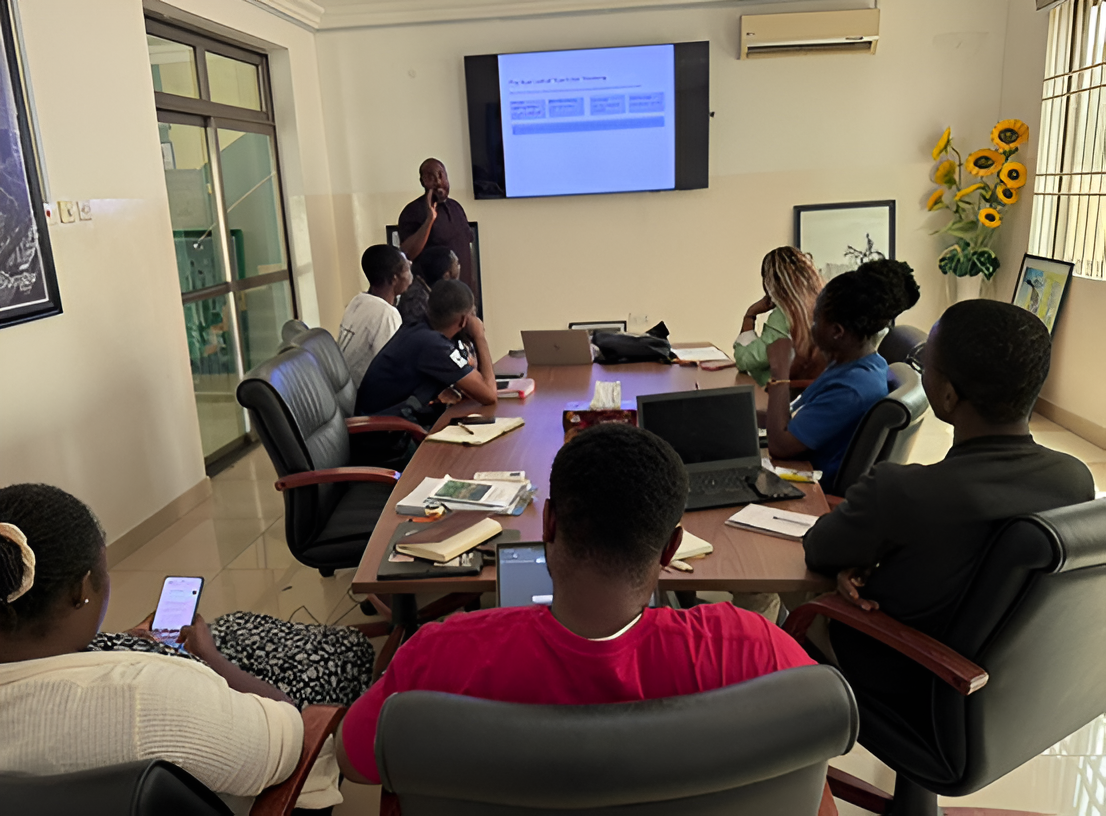
From its earliest years, the organization positioned itself differently. Rather than operating as a transactional admissions service, it focused on disciplined assessment, honest counseling, and long-term preparation. The aim was not simply to send students abroad, but to ensure they arrived prepared to succeed- and to be taken seriously by the institutions evaluating them.
This orientation shaped its early milestones. Within a year of its founding, CHIEF became a College Board member, formally integrating into global testing and admissions ecosystems at a time when such affiliations were rare in the region. Over the following years, it deepened its engagement with international education bodies, eventually becoming NAFSA-accredited and one of the earliest ICEF members in West Africa- establishing institutional legitimacy well before international education became crowded or commercialized.
As global mobility accelerated, CHIEF’s role expanded. It began working not only with individual students and families, but also with universities, examination bodies, and international education platforms. Partnerships with organizations such as QS, GMAC, ETS, and ACCESS MBA placed CHIEF at the intersection of applicants and institutions- hosting fairs, participating in global conferences, and facilitating direct engagement with leading universities across the United States and Europe.
Throughout this growth, the organization resisted the pull of volume-driven models. It did not position itself as an “agent,” nor did it guarantee outcomes or optimize for speed. Instead, it invested in systems, people, and infrastructure: NaSIA-certified testing laboratories, academically trained advisors, and long-term institutional relationships. The work extended across undergraduate, graduate, MBA, doctoral, and post-doctoral pathways, while also supporting governments, schools, and organizations on capacity-building and educational design.
Over time, this approach produced both scale and trust. CHIEF became Ghana’s oldest and most experienced international education consultancy- a household name built not on marketing visibility, but on outcomes, discretion, and sustained presence. Students advised through its systems went on to institutions such as Columbia, Stanford, Cornell, Upenn, Ohio State, and other globally ranked universities, often with significant funding.
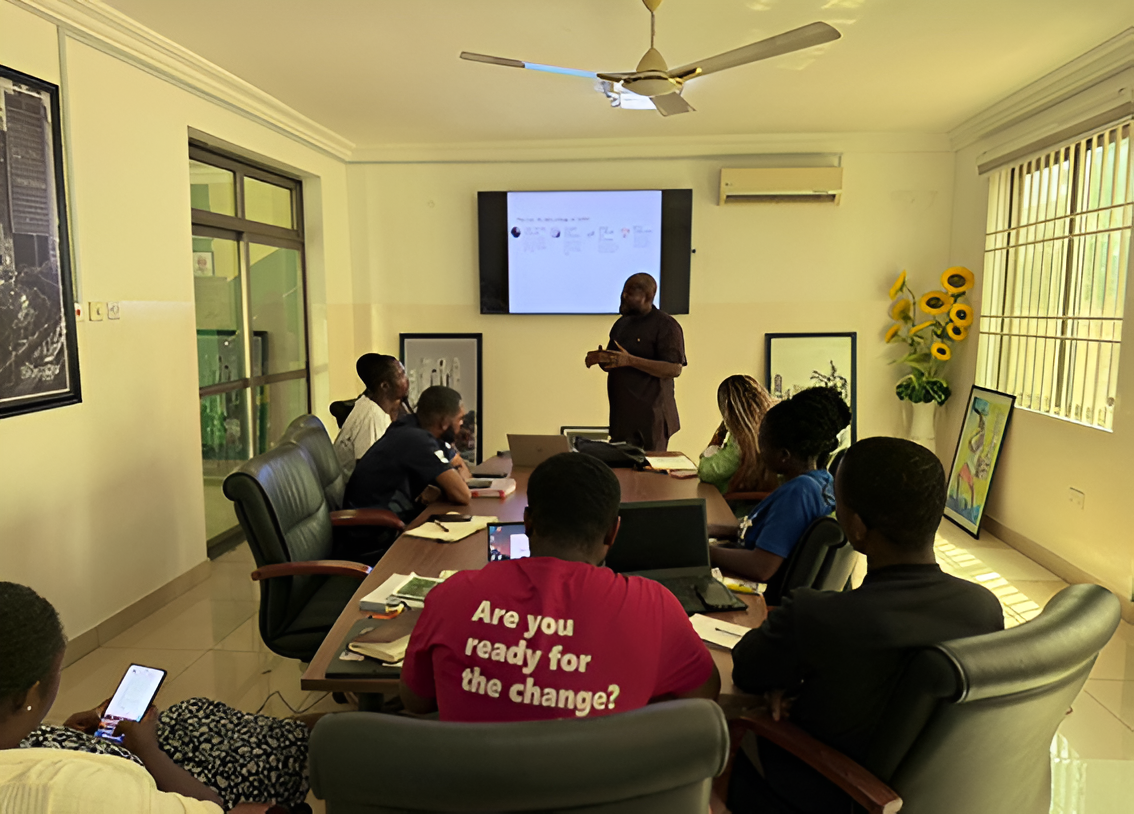
Publicly, CHIEF maintained a visible but measured presence: organizing education fairs, participating in international forums, and contributing to national conversations on education through media, partnerships, and initiatives such as its sponsorship of TV3’s Top Intern. Privately, its work remained deliberately rigorous- focused on preparation, positioning, and long-term credibility rather than short-term placement metrics.
Today, CHIEF operates as an integrated institution rather than a single advisory line. Its work spans student facilitation, preparation and readiness, institutional partnerships, and thought leadership- guided by a philosophy that treats admissions not as persuasion, but as signal.
The story continues to evolve. Looking ahead, CHIEF’s ambitions extend beyond facilitation toward systems-building: deeper institutional partnerships, expanded capacity development, and, over time, the establishment of world-class universities in multiple African countries. These ambitions are pursued deliberately, with attention to governance, standards, and long-term impact rather than speed or spectacle.
What has remained constant since 2004 is the founding conviction: that access without readiness is fragile, and opportunity without credibility is fleeting.
CHIEF was built to correct both.