

Institutional partnerships are not marketing arrangements.
They are system-level collaborations—governed by ethics, data integrity, academic standards, regulatory compliance, and long-term outcomes. When done poorly, they distort pipelines and erode trust. When done well, they create durable value for institutions, students, and regions.
CHIEF partners only where this distinction is understood.
CHIEF’s partnership philosophy is built on three principles: ethics, longevity, and systems alignment.
We do not operate as a volume-driven recruitment agent. We do not trade in guarantees, incentives, or misaligned placements. Our work begins upstream—at the level of preparedness, intent, and institutional fit—so that outcomes downstream are credible and repeatable.
Partnerships with CHIEF are designed to:
This philosophy reflects over two decades of operating across multiple education systems, regulatory environments, and institutional models—public and private, selective and access-orientated.
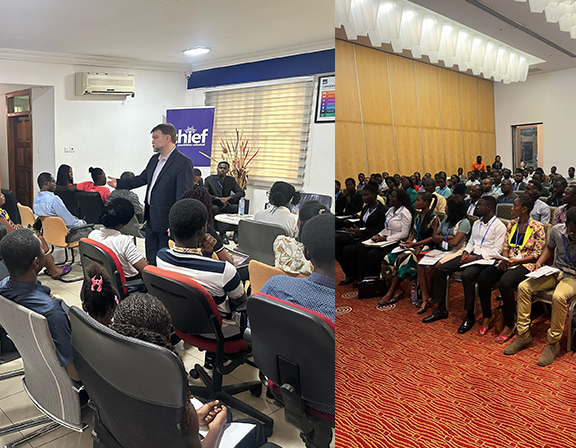
CHIEF works with African secondary schools and universities to design structured outbound pathways that expand access to global higher education—without compromising academic credibility.
These partnerships typically involve:
The objective is not mass export of students, but intentional mobility—where students are academically prepared, contextually informed, and institutionally aligned.
For African institutions, this translates into:
For receiving institutions, it ensures candidates arrive prepared—not just admitted.
African institutions that partner with CHIEF are not chasing volume.
They are navigating credibility, capacity, and consequence.
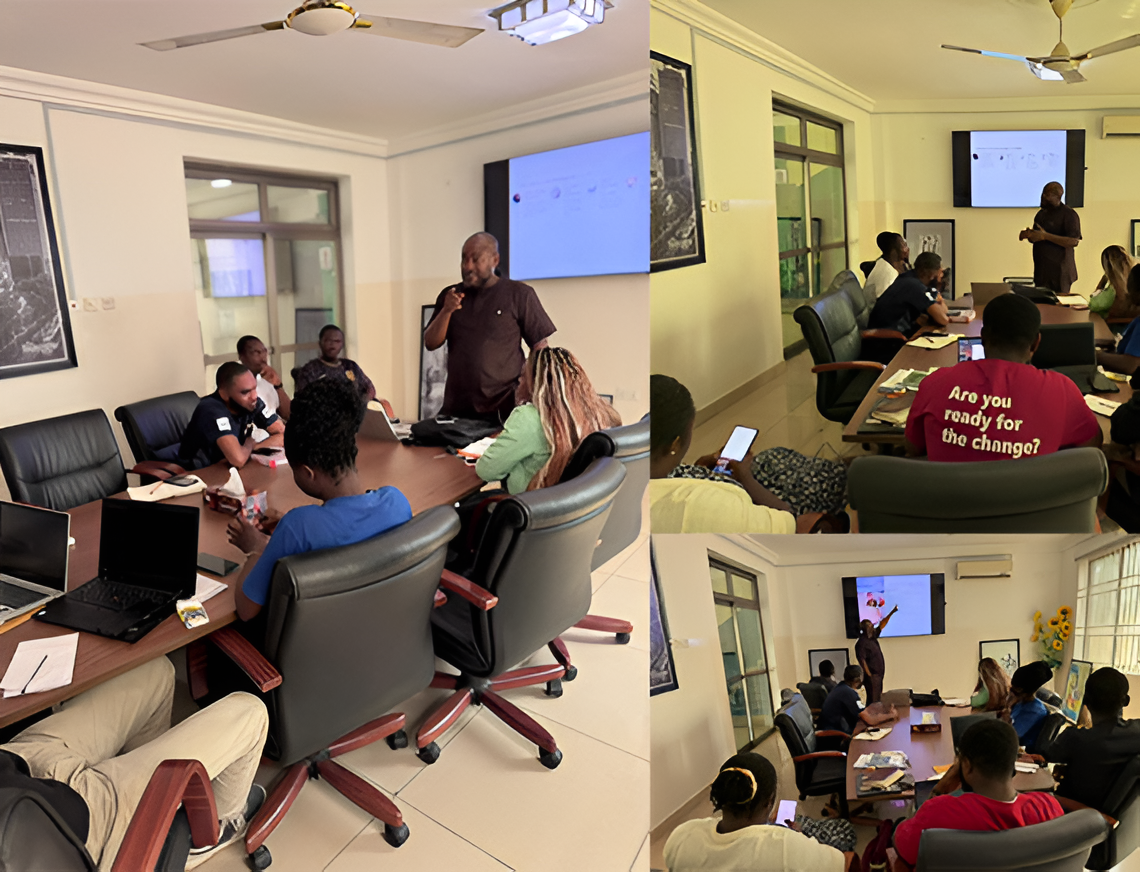
African schools and universities face a set of structural tensions:
The risk is not ambition — it is misalignment.
African institutions choose CHIEF because it operates inside these constraints, not outside them. CHIEF helps institutions:
Grades, curricula, and student narratives are positioned so international universities understand rigor, context, and intent — without exaggeration or distortion.
CHIEF designs progression frameworks that reflect positively on the sending institution, strengthening its reputation among global partners rather than weakening it through underprepared placements.
Counselors, administrators, and leadership gain systems literacy around global admissions — reducing dependence on external intermediaries over time.
CHIEF’s refusal to operate on commissions or guarantees preserves institutional credibility with families, regulators, and international partners.
Outcomes are measured not only by offers, but by student persistence, progression, and alumni trajectories — reinforcing long-term value.
African institutions partner with CHIEF when they want global mobility to become a strategic asset, not a reputational risk.
Recruitment Partnerships. Pre-Screened Candidates. Pipeline Integrity.
CHIEF partners with universities across the United States, United Kingdom, Canada, Europe, and Australia as a strategic recruitment and pipeline integrity partner.
These partnerships are built around trust, predictability, and clarity.
CHIEF supports institutions through:
Candidates introduced through CHIEF have typically undergone:
This allows admissions teams to spend less time decoding intent—and more time evaluating merit.

Global universities do not need more applicants.
They need better-aligned ones.
International admissions teams operate under intense pressure:
The challenge is not access — it is interpretability.
Global universities choose CHIEF because it improves pipeline integrity, not just pipeline size.
CHIEF supports institutions by:
Candidates introduced through CHIEF have already undergone disciplined advising, readiness alignment, and program filtering — saving admissions teams evaluative bandwidth.
Academic records, school environments, and student trajectories are communicated in ways that admissions officers can interpret confidently across systems.
CHIEF steers applicants toward institutions where academic philosophy, pedagogy, and outcomes align — reducing mismatch and early attrition.
CHIEF does not incentivize misplacement. Universities receive candidates who understand expectations, costs, and commitments — protecting institutional reputation.
Rather than transactional cycles, CHIEF helps universities build sustained, credible access to emerging markets through preparedness and trust.
Universities partner with CHIEF when they want international recruitment to feel predictable, ethical, and academically sound — not volatile or opportunistic.
How Collaboration Is Structured
CHIEF partnerships are intentionally custom-built, but follow a clear operating logic.
Each engagement begins with alignment on:
This allows admissions teams to spend less time decoding intent—and more time evaluating merit.
From there, partnerships may include one or more of the following components:
Expectations are explicit. Reporting is disciplined. Outcomes are reviewed longitudinally—not just per intake.
CHIEF measures success not by volume, but by:
This model has allowed CHIEF to sustain partnerships across decades—adapting to changing admissions landscapes without diluting standards.
CHIEF has worked with universities, accrediting bodies, examination organizations, governments, and education networks across continents. It is accredited, networked, and embedded within the international education ecosystem—not adjacent to it.
Institutions partner with CHIEF when they seek:
That is the level at which CHIEF operates.